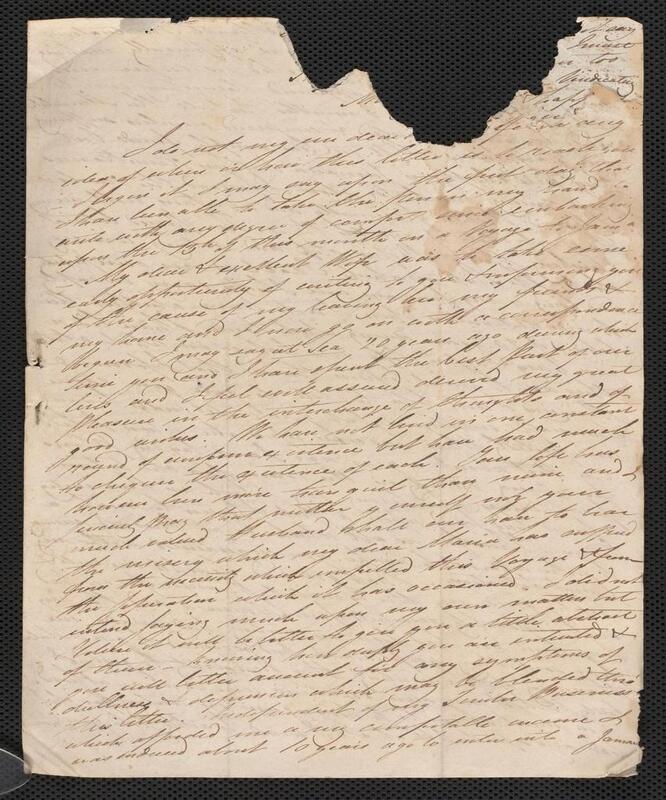
Watt, James, 1736-1819
James Watt was born on January 19, 1736, in Greenock, Renfrewshire, Scotland, to James Watt and Agnes Muirhead. Though his family were Presbyterians and Covenanters, James became a Deist. He attended Greenock Grammar School, where he showed a great aptitude for Math and Science and ended up being apprenticed to an instrument maker in London. Returning to Glasgow, he was employed as a mathematical instrument maker at the local university. Because of his position, he became connected with prominent scientists and mathematicians, including Joseph Black. Watt began working on his concept of his steam engine in 1764 after being asked to repair a Newcomen steam engine, which was not an efficient model, converting only about 1% of thermal energy to mechanical energy. Watt’s design included a separate condensing chamber for the steam which prevented the steam from being lost. His engineering firm, with Matthew Boulton, became the most important of its kind in the country because of the demand from Cornish mine owners, paper, flour, cotton, and iron mills, and distilleries, canals, and waterworks. In 1785, Watt was named a Fellow of the Royal Society. He invented and patented other inventions, such as the rotary engine, the double-action engine, and the steam indicator. He married his cousin, Margaret Miller, on July 14, 1764 and together they had two children. On July 29, 1776, he married Ann MacGregor and together they had two children. James Watt died on August 25, 1819 at his home “Heathfield Hall” and is buried in the graveyard of St. Mary’s Church, Handworth, Birmingham, England. The unit of electrical and mechanical measurement “the watt” or “wattage” is named in his honor
Mentioned in these documents